
More and more clients come in not just for a cut or colour, but also with questions about oily roots, itching, flaking or thinning hair. These are exactly the moments where a salon can set itself apart. Those who take scalp care in the salon seriously open up a revenue stream that stands apart from the cutting schedule and that repeats itself time and again. Good scalp care is not a passing trend but a logical extension of what a hairdresser already does: helping hair grow, fall and look its best from a healthy foundation. In this piece we show how to translate that foundation into treatments, retail and returning clients.
Why Scalp Care in the salon is a serious revenue stream
The scalp is the soil on which all hair grows, and yet it is often the part of the treatment that receives the least attention. That is precisely where the opportunity lies. A scalp care salon approach shifts the focus from purely cosmetic results to the health of the skin itself. This ties in with a broader movement in which clients increasingly view skincare and hair care as one and the same.
For the salon owner, this means three things. First, a diagnosis-driven treatment justifies a higher hourly rate than a standard wash. Second, every treatment leads logically to products for home use, which generates retail revenue. Third, the recurring nature of scalp problems drives repeat visits: an oily or irritated scalp is not a one-off project but a regimen that requires follow-up. This makes scalp care one of the few additions that simultaneously increases service revenue, product revenue and visit frequency.
Start with the diagnosis, not the product
A credible scalp line stands or falls on a good analysis. Clients can sense unerringly whether advice is sincere or whether something simply needs to be sold. So train your team to briefly assess the scalp with every new client: are the roots oily, dry, flaky or sensitive, and what about hair density?
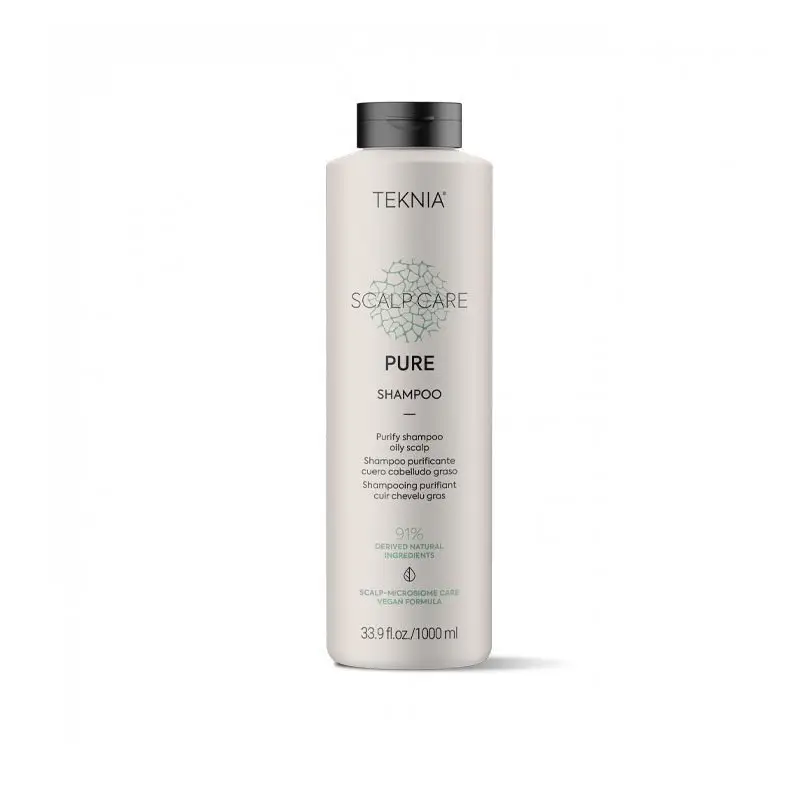
From there, a few clear routes emerge. A client with quickly oily roots and visible excess sebum benefits from a purifying approach. For that, the Lakme Teknia Scalp Care Pure shampoo 1000 ml is a logical choice in the salon treatment: the large size keeps the cost per wash low, while you can hand over the same line in a smaller size for home use. This way, the treatment flows seamlessly into a routine that the client continues themselves.
Make the diagnosis tangible. Show the client in the mirror what you see, describe it in plain language and link it to one clear recommendation. One well-founded piece of advice works better than a laundry list of products. It builds trust, and trust is the engine behind every repeat purchase.
Work with a fixed treatment menu
Turn your offering into a clear menu with a few distinct treatments, for example a purifying treatment for the oily scalp, a detox treatment and a strengthening treatment. A fixed structure makes it easier for the team to advise and easier for the client to choose. It also lets you set a fixed price and a fixed product set per treatment, which makes the margin predictable.
Detox and exfoliation: the visible upgrade
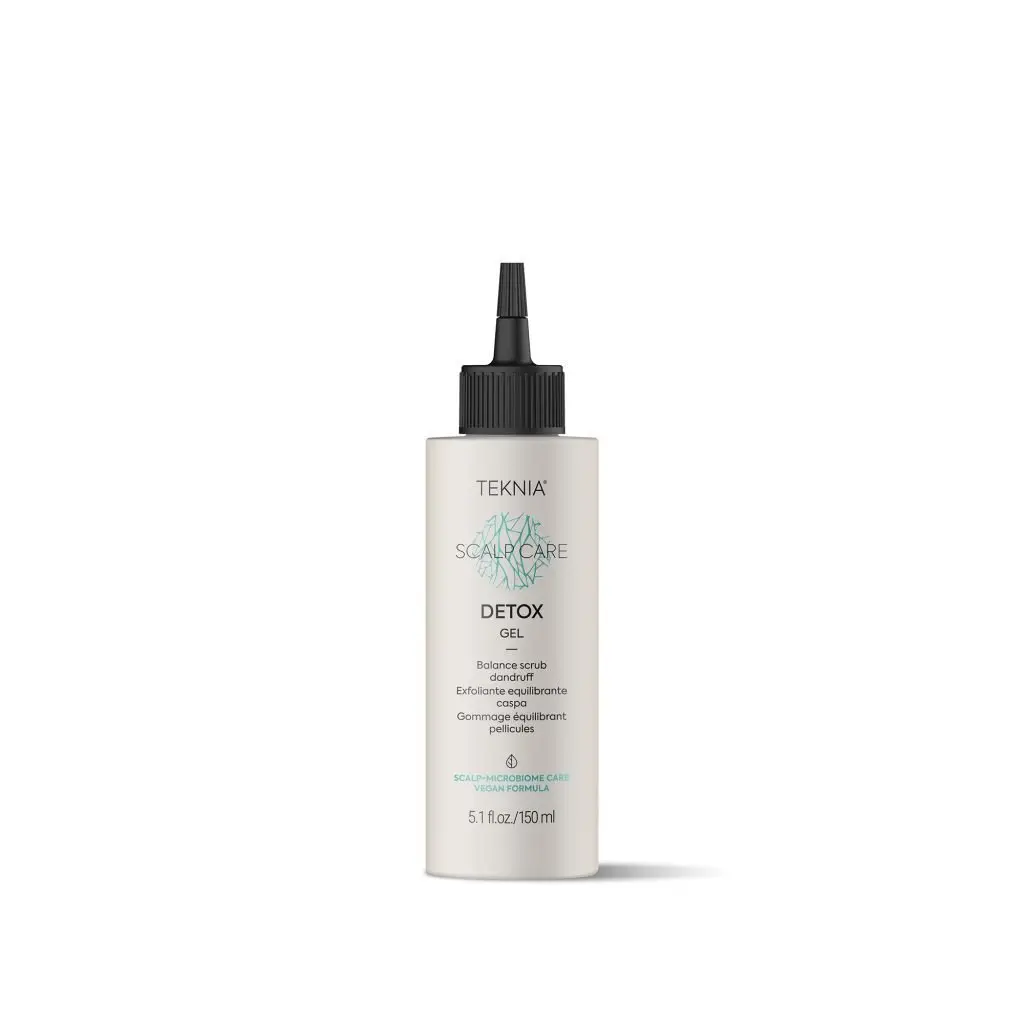
One element that lends itself perfectly to the salon is the scalp detox or scrub. This step adds something the client struggles to do themselves at home, and that added value justifies a separate place on the treatment menu. A product like the Lakme Teknia Scalp Care Detox Gel 150 ml works as a pre-wash step that prepares the scalp and helps remove product residue and flakes. The effect is immediately noticeable to the client, which makes the step easy to sell as a premium addition.
The strength of the detox step lies in the ritual. A calm massage during application heightens the experience and turns the treatment into a moment of relaxation rather than a functional wash. That experience is exactly what brings clients back and what they are willing to pay more for. Combine the detox with a short scalp massage and you raise the perceived value of the entire treatment without much extra product time.
From oily roots to thinning hair: cover the spectrum
A complete scalp care line covers more than just oil and flakes. A growing group of clients, men as well as women, is concerned about hair loss and reduced density. This is a sensitive and therefore valuable conversation: those who advise on it expertly and honestly build loyal clients.
For this group, the Lakme Teknia Scalp Care Vital shampoo 1000 ml offers a suitable foundation within a strengthening treatment. It is important that you set realistic expectations. Scalp care supports the condition of skin and hair, but it is not a medical treatment. Be transparent about that; that very honesty strengthens your authority and prevents disappointment.
By covering the whole spectrum, from purifying to strengthening, your team can put together a suitable programme for almost any client. That makes scalp care not a niche service for a handful of clients, but a fixed part of the intake for everyone who walks into the salon.
Retail and repeat purchase: where the margin is
The treatment in the chair is the starting point, but the structural profit lies in home use. A scalp does not recover in a single session; it requires a routine of weeks. That is not a sales argument but a fact, and that is precisely why it is so convincing. Explain that the salon treatment sets the effect in motion and that the home products hold the result until the next visit.
Practical ways to keep the retail line running:
- After the treatment, literally place the matching home products in the client’s hands, with a brief explanation of the order of use.
- Note in the client file which line was recommended, so the team can follow up specifically at the next visit.
- Schedule the follow-up treatment before the client leaves, so the regimen does not stall.
- Work with large sizes in the back bar and smaller home sizes in retail, so treatment and sales align on the same line.
By consistently linking treatment and retail, a flywheel emerges: the treatment sells the product, the product maintains the result and the result brings the client back for the next treatment.
The team makes the difference
No product line sells itself. The staff member who analyses the scalp and gives the advice is the deciding factor. So invest in short, repeated training: how do you recognise the different scalp types, which treatment goes with each and how do you put it into words without sounding pushy?
Let the team experience the products themselves, too. Anyone who has felt the detox gel on their own scalp and noticed the difference will speak about it with conviction. Also give them room to practise the advice conversation, so it becomes natural rather than a forced sales moment. A well-trained team turns scalp care from a loose product shelf into a recognisable, professional service.
Rolling it out step by step
You don’t have to launch everything at once. Start with one treatment and one clear client profile, for example the oily scalp, and build from there. In the first months, track how many treatments are booked and how many home products go out the door. Those figures show you where the approach works and where the conversation can be sharper still. Once the rhythm is in place, expand to detox and strengthening programmes.
Conclusion
For a salon, scalp care is more than an extra product shelf. It connects service, retail and repeat visits into one cohesive revenue stream that rests on something the client genuinely needs: a healthy scalp. Those who start with an honest diagnosis, work with a clear treatment menu and bring the team along build not a one-off campaign but a permanent part of the salon offering. The first step is small: choose one client profile, one treatment and one product line, and let it grow from there.
Frequently asked questions
Why is scalp care an attractive new revenue stream for my salon?
Scalp care raises three things at once: service revenue, retail revenue and visit frequency. A diagnosis-led treatment justifies a higher hourly rate than a standard wash, leads naturally into home-care products, and the recurring nature of scalp issues drives repeat visits. As a result, this revenue stream stands apart from the cutting schedule and repeats again and again.
How do I start with scalp care in the salon without it feeling like a sales pitch?
Start with the diagnosis, not the product. Train your team to briefly assess each new client's scalp for oiliness, dryness, flaking, sensitivity and hair density, then attach a single clear recommendation. Make the diagnosis tangible by showing the client in the mirror what you see and naming it in plain language. One well-founded piece of advice builds more trust than a long list of products.
Where is most of the margin: in the treatment or in retail sales?
The in-chair treatment is the starting point, but the structural profit lies in home use. A scalp does not recover in a single session; it needs a routine of weeks, so the salon treatment sets the effect in motion and the home products maintain the result until the next visit. Therefore link treatment and retail consistently: hand over the matching home products, record the advice in the client file, and book the follow-up treatment before the client leaves. This creates a flywheel in which treatment, product and result reinforce one another.
Does scalp care help against hair loss and thinning hair?
A complete scalp care line covers more than oiliness and flakes and also addresses the growing group of clients worried about hair loss and reduced density. Within a strengthening treatment this provides a suitable basis, but it is important to set realistic expectations: scalp care supports the condition of skin and hair but is not a medical treatment. Be transparent about that; this very honesty strengthens your authority, prevents disappointment and builds loyal clients.